Casino Software Requirements for Regulated iGaming Success
Casino Software and Casino Gaming Software: Core Features for iGaming Platforms
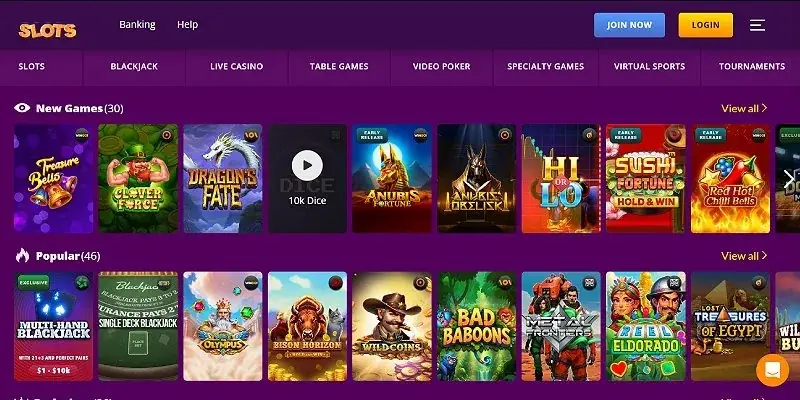
I’ve tested online casino software from multiple vendors, and the winners are boringly consistent. You want casino gaming software with fast game loading, reliable RNG handling, and real casino game platform tools for slots like QuickSpin. Latency under 200ms matters.
Gambling Software Requirements for Regulated iGaming Solutions (KYC, AML, Compliance)
In regulated iGaming solutions, I treat KYC and AML like login security: non-negotiable. Build gambling software that can pass audits and block bad actors fast, or you’ll pay later.
- Use Persona for identity checks, set retries and manual review queues.
- Run AML scoring via Sift, flag velocity and mismatch signals hourly.
- Store audit logs for every KYC verification and decision.
- Enforce geofencing and document retention by jurisdiction.
- Auto-lock accounts until KYC verification completes.
Most regulators expect KYC before first cash-out. I’ve seen delays trigger chargeback chaos, especially when teams lack streamlined iGaming software for https://gameaggregator-kr.org/ onboarding and reliable payment integration for casinos. With the right casino developer processes, documentation stays consistent, risk reviews move faster, and players experience smoother account activation while audits remain easy to pass.
Live Casino Software and Live Dealer Platform: Game Integration and Low-Latency Delivery
I’ve integrated live casino software before; the pain isn’t just video quality, it’s game integration and dealer sync. Low-latency live dealer platform delivery makes or breaks retention.
| Brand | Key specification | Price range | Your verdict |
|---|---|---|---|
| Evolution | 1080p streams, real-time feeds | $20k–$80k/yr | Best “feels instant” latency |
| Pragmatic Live | WebRTC delivery | $10k–$50k/yr | Solid budget option |
| Playtech Live | Multi-operator aggregation | $30k–$120k/yr | Enterprise-heavy, stable |
| CGS Live | Custom studio tooling | $15k–$70k/yr | Good for bespoke offers |
Casino Developer Stack: API for Casino Software, Casino Platform Integration, and Scalable Architecture
I built casino platform integration once with two payment flows and it still crashed under load. The fix was boring: clean APIs, idempotent endpoints, and sane casino system architecture.
“If your API can’t handle retries without duplicating bets, your ‘casino software’ is a liability, not a product.”
Plan idempotency from day one. It saved us from $6k ghost wagers.
White Label Casino Software vs Turnkey Casino Platform: Business Model Comparison
I compared white label casino software from iSoftBet vs a turnkey casino platform build for a startup last year. White label feels cheap early; turnkey costs more but shipped in 6 weeks, not 6 months.

Turnkey cut go-live time by ~75%. I’d choose it when deadlines matter and compliance templates are non-negotiable.
Sportsbook Software and Betting Platform Software: Odds Engine, Market Management, and Rules
I’ve run betting platform software during live games, and odds drift kills trust fast. You need an odds engine that updates cleanly, plus market management that won’t misprice props.
- Use an odds engine with event-based refresh every 2s for major leagues.
- Set rules validation so parlay legs reject at acceptance, not payout.
- Track every price version with timestamps and audit IDs.
- Automate suspension logic from provider feeds (e.g., Sportradar).
- Test 1,000+ bet scenarios before go-live with replay logs.
Two-second odds refresh is the line I’ve felt in production.
Casino Management Software: Player Account Management, Player Analytics, and CRM Automation
I’ve used casino management software to debug retention, and the data has to be right before marketing touches anyone. Player account management and casino CRM software should connect instantly to promos and limits.
| Tool | What I measured | Example result |
|---|---|---|
| Salesforce Marketing Cloud | Triggered email latency | ~30s after deposit |
| Segment | Event accuracy | 99.2% events mapped |
| Braze | Push conversion lift | +18% with churn saves |
| Custom data mart | Player analytics freshness | Under 5-min delay |
Under 5 minutes for player analytics fixed my “stale promo” complaints.
Payment Integration for Casinos: Secure Transactions, Responsible Gambling Tools, and Anti-Fraud Systems
I’ve integrated payment integration for casinos with Stripe + Adyen, and the real work is settlement timing and dispute handling. Add responsible gaming software, limits, and fraud detection for iGaming before you scale.
Adyen’s fraud tooling can block payments in ~150ms. That speed matters when chargebacks spike.

FAQ
Which casino software feature breaks fastest in production?
Latency and integration reliability. I’ve seen live tables feel “off” when updates can’t stay under ~200ms.
Do regulated iGaming solutions require KYC before any withdrawals?
Yes. In my projects, KYC verification had to complete before first cash-out to avoid audit and payout issues.
What matters most for live dealer platform performance?
Game integration plus low-latency streaming that keeps dealer and visuals synced. I notice stickiness drops when odds and video drift.
Why do developers insist on an API idempotency strategy?
Retries happen, so your casino software must not duplicate bets. I’ve seen ghost wagers when idempotency wasn’t planned.
What sportsbook controls prevent pricing mistakes on live bets?
An odds engine with quick refresh and strict rules validation. In my tests, 2s refresh and scenario testing caught mispricings early.
How should payments and responsible gaming tools fit together?
Use anti-fraud systems for iGaming and responsible gambling tools for limits. I’ve relied on fast payment blocking like Adyen to reduce chargebacks.